What to know
- Svend Robinson became Canada’s first openly gay MP in 1988, changing the landscape of Queer representation.
- Coming out during the AIDS crisis, Robinson said visibility was necessary to show young Queer people what was possible.
- He faced threats and backlash but was re-elected with his largest majority months later.
- Nearly 40 years later, Robinson says the fight for Queer equality is far from over.
- He urged Pride attendees to stand with Trans people and Queer refugees facing persecution.
- His message to young Queer people: be proud, stay connected and keep fighting for each other.
There are some people in our community whose names feel almost mythical. For many Queer people in Canada, Svend Robinson is one of them.
It’s hard to talk about Queer history in Canada without mentioning several topics. Operation Soap and the LGBT Purge are two examples; Svend Robinson is another. Coming out as the first Queer Member of Parliament in 1988, Robinson is a crucial figure in Queer representation in Canada, and his name seemed to surface every time I did a deep dive into the 2SLGBTQIA+ liberation movement in Canada.
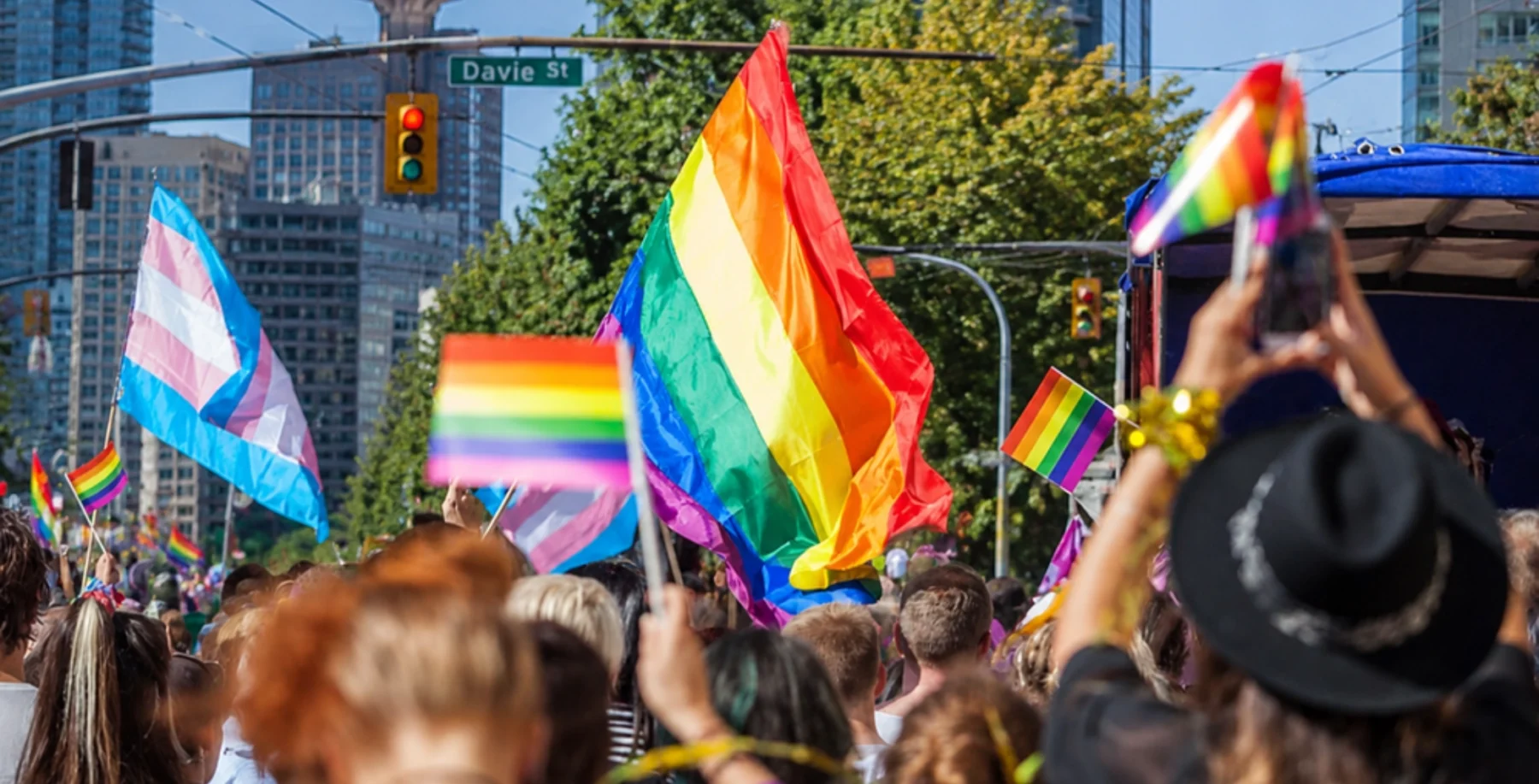
In a country where Queer communities have enjoyed the right to equal marriage for 21 years, where openly Queer people work in public office, and where Pride celebrations spill across city streets with corporate sponsors, drag queens on stage and families in attendance. But long before those things were a reality, Robinson was willing to risk everything simply by telling the truth.
Coming out as Queer in 1988 changed Canadian politics
Ahead of Vancouver Pride, and nearly 40 years after becoming Canada’s first openly gay Member of Parliament, Robinson sat down for an interview with Queer & Now about his story.
While I expected our conversation ahead of Vancouver Pride to be one about legacy and history, focused on what it felt like to be first. Instead, every question I asked about the past became an answer about the present.
Read More
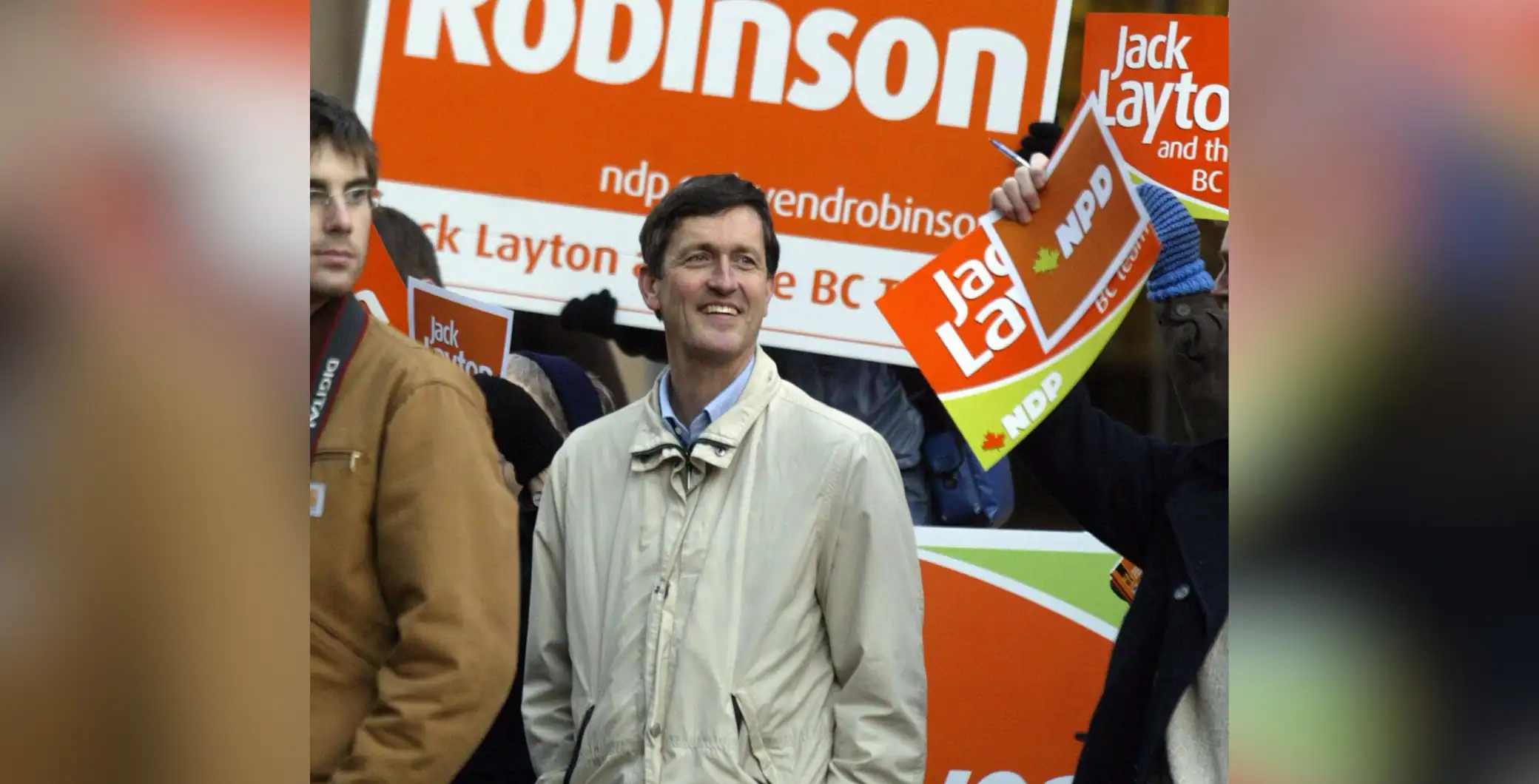
From May 1979 to June 2004, Robinson served as MP of ridings in Burnaby, British Columbia, including Burnaby-Douglas and Burnaby-Kingsway. Robinson came out publicly in 1988, a time when Canadian officials, including those in public office, could be removed from their position for identifying as Queer. But he doesn’t describe the experience as scary.
“It was incredibly liberating to be open and honest about who I was,” he shared.
But the now-retired MP explained that the decision wasn’t only personal; it was also timely for the Queer community. Living through the AIDS crisis, attending funeral after funeral while politicians and religious leaders fuelled homophobia, Robinson says that he felt staying silent was no longer an option. More than anything, he wanted young Queer people to see that an openly Gay person could serve in public office.
Visibility came with a cost
But coming out cost him dearly. His office was vandalized. He received death threats. Premiers publicly attacked him, calling him a poor role model for young people. Robinson recalled how then-prime minister Brian Mulroney would draw laughs on the campaign trail by joking, “Imagine Svend Robinson as Minister of National Defence.”
But instead of shying away from the mockery, Robinson’s campaign embraced it, printing “Svend Robinson for Minister of National Defence” buttons that, he joked, “sold like hotcakes.” Beneath the humour, though, was a reminder of how acceptable anti-Gay ridicule remained in Canadian politics, even at the highest levels of government.
Yet just months later, Canadians re-elected him with the largest majority of his political career.
38 years later, Robinson still has unfinished business
It’s easy to hear stories like that and imagine them as relics of another era, a reminder of how far we’ve come. But it wasn’t that long ago, and anyway, Robinson doesn’t see it that way. When asked to reflect on the nearly four decades that have passed since he first came out, Robinson didn’t dwell on milestones. He spoke about unfinished work.
Before he ever came out publicly, Robinson had unsuccessfully fought to include sexual orientation in the Charter of Rights and Freedoms in 1981. Today, he sees a familiar pattern emerging as governments invoke the notwithstanding clause while targeting Trans people.
“The equality and justice and respect that we’ve fought for, for decades… we can’t move backwards,” he said.
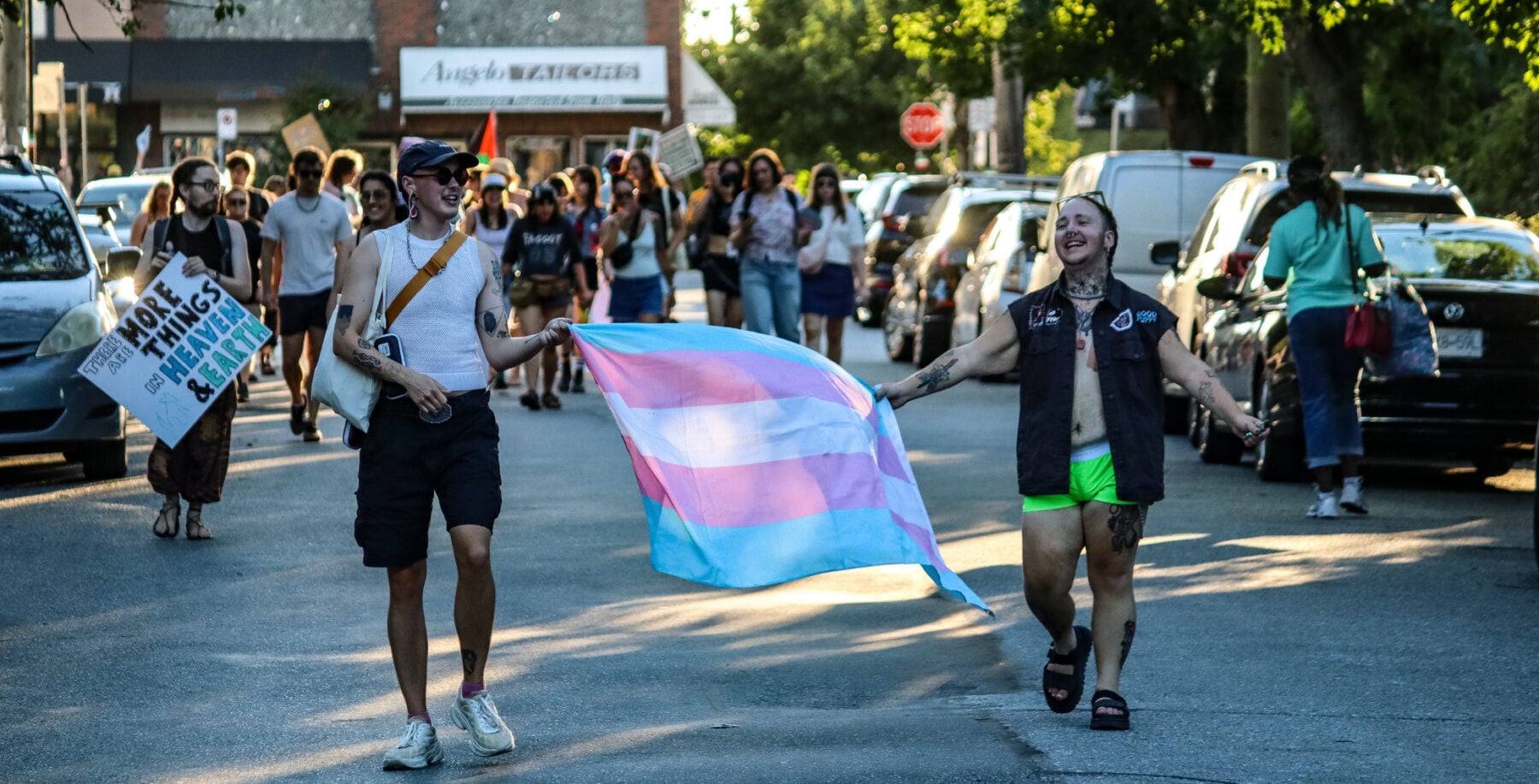
But it’s clear that for Robinson, the work is now about protecting other vulnerable communities. Young folks, Trans people, Queer refugees. At a time when Trans people face mounting political attacks both in Canada and abroad, Robinson urged Pride attendees to show them “some extra love.”
Robinson also called on Canadians to stand with 2SLGBTQIA+ refugees fleeing persecution, reiterating Canada’s responsibility to protect them and sharing his support for the newly launched Defend Refugees campaign. At a time when anti-Queer laws are hardening in parts of the world, he argued that Pride cannot stop at Canada’s borders.
Read More
“When your life is in danger simply because of your sexuality, Canada has got to open its arms,” he said, adding that a country built by immigrants and refugees has a moral obligation to welcome those fleeing persecution. For Robinson, defending Queer people means defending them everywhere, not just once they’ve made it safely home.
Pride: Not a slogan, but a movement
Asked what message he had for young queer Canadians, he said he has immense faith in the next generation. He smiled as he described hearing about students defending their Transgender classmates without hesitation, refusing to tolerate discrimination.
“They won’t take any s**t from anybody,” he laughed.
His advice wasn’t simply to be proud of who you are. It was to understand that our struggles don’t end at our own identities or our own borders.
“Recognize that we are global citizens,” he said. “Our struggles are global.”
That philosophy shaped his message ahead of Vancouver Pride.
For Robinson, solidarity isn’t a slogan printed on a Pride banner; it’s the work itself. During our conversation, it became clear that for Robinson, leadership, at least the kind he spent a lifetime practising, isn’t measured by being first, by collecting milestones or looking back on victories already won. It’s about asking who needs us now.
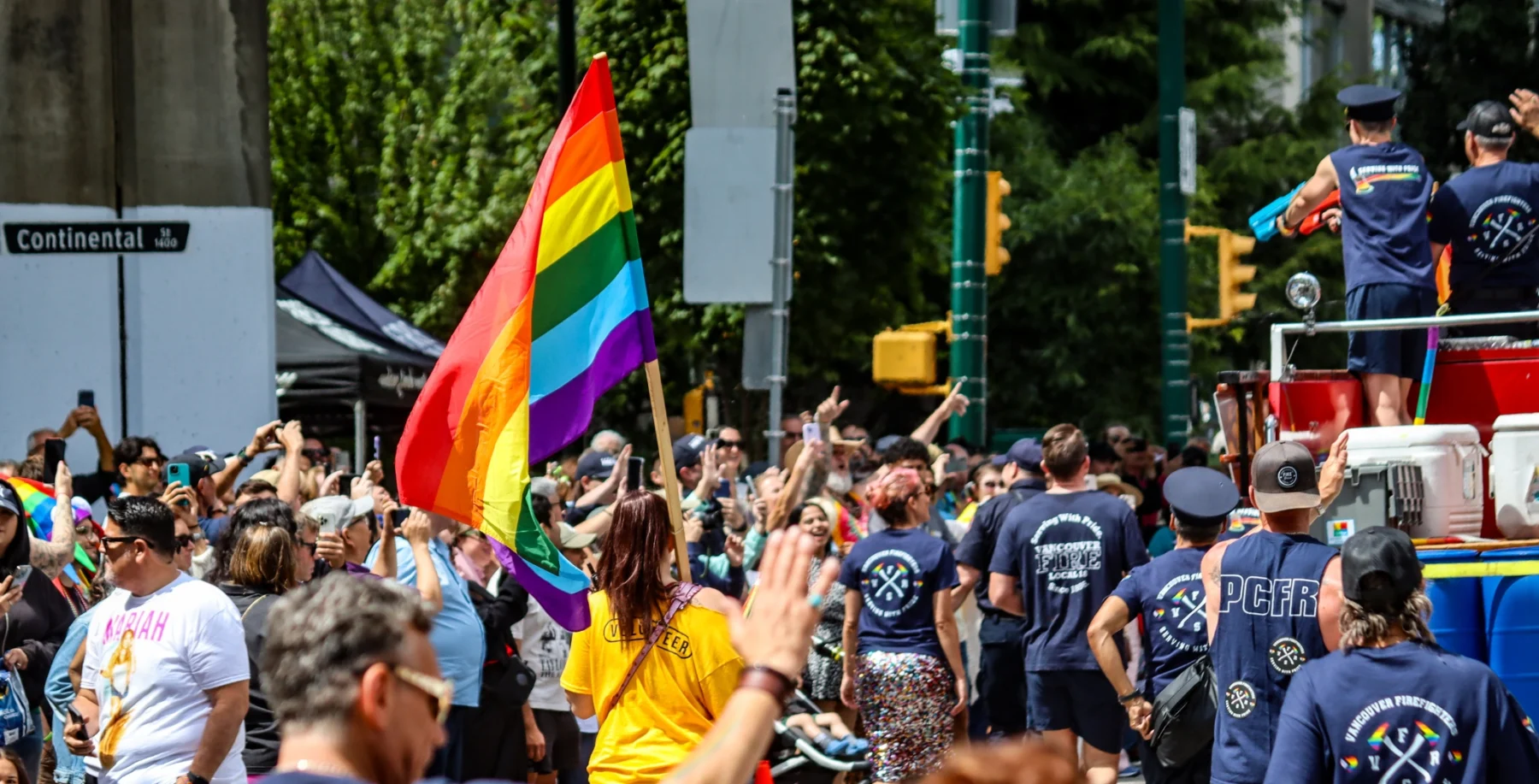
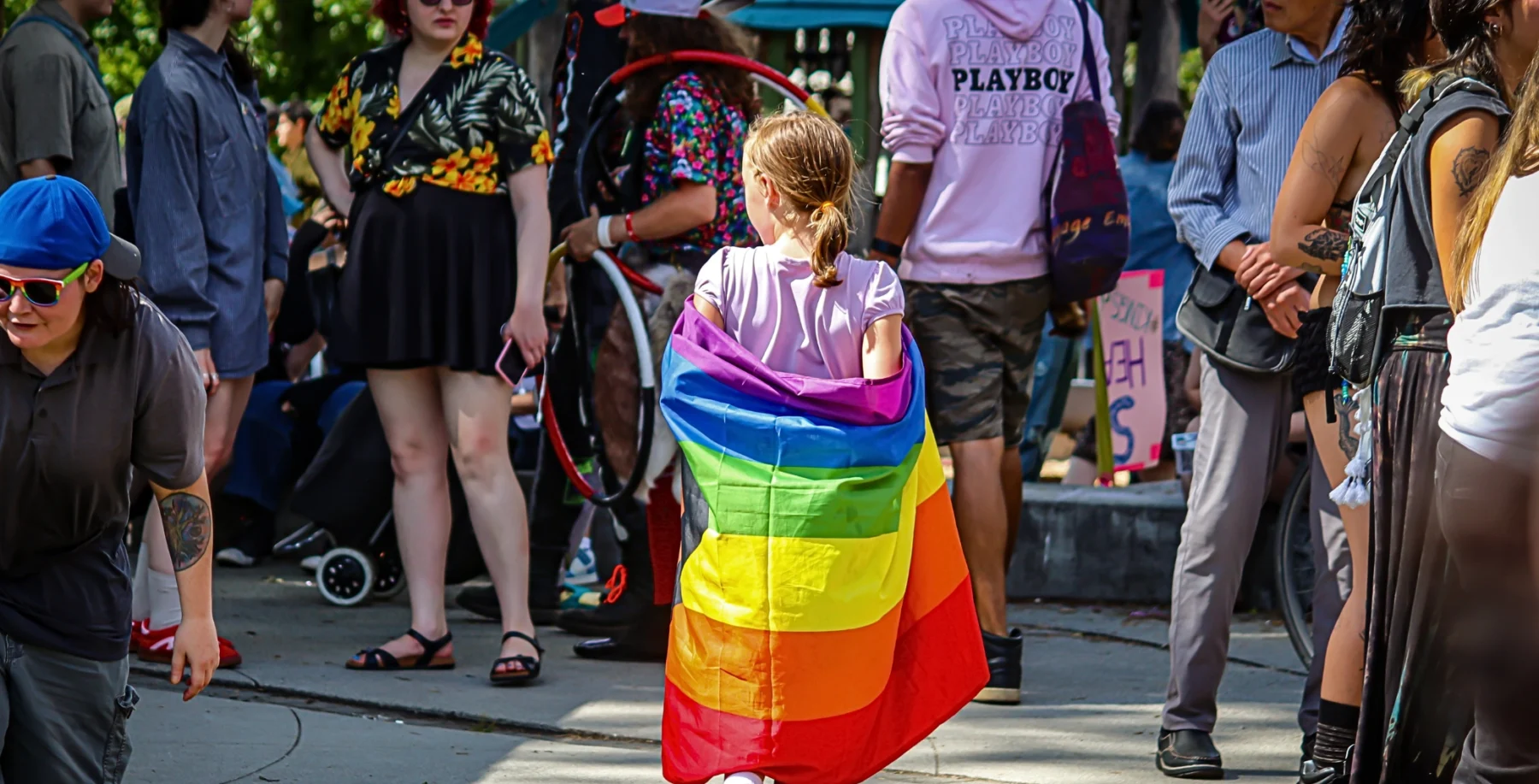
As Pride celebrations fill Vancouver’s streets this weekend, it’s worth remembering that the movement has never been sustained by people protecting only their own rights. Every gain we’ve made has come because someone chose to widen the circle, to see another struggle as connected to their own.
Near the end of our conversation, I asked Robinson what he would tell his 17-year-old self, a teenager graduating high school in 1969, the same month as the Stonewall uprising, when loving another man could still make him a criminal. His answer was simple.
“Be proud of who you are,” he said. “Don’t be afraid to love who you want to love.”
Almost 40 years after helping change the course of Queer history in Canada, Svend Robinson is still pointing us in the same direction: Not backwards, toward his own legacy, but forwards, toward each other.