What to know
- Little Sister’s Bookstore is featured in Canada Post’s 2026 Places of Pride stamp series recognizing sites that shaped Canada’s 2SLGBTQIA+ history.
- The Vancouver bookstore spent years fighting government censorship, culminating in a landmark Supreme Court of Canada case that changed how customs laws were enforced.
- More than 40 years after opening, Little Sister’s continues to serve as a hub for Queer literature, community, and gender-affirming resources.
- Owner Parmjot Gill says the stamp reflects how Canada has evolved from censoring Queer stories to celebrating them.
- As Vancouver Pride continues, the bookstore remains a symbol of Queer resilience, acceptance, and community.
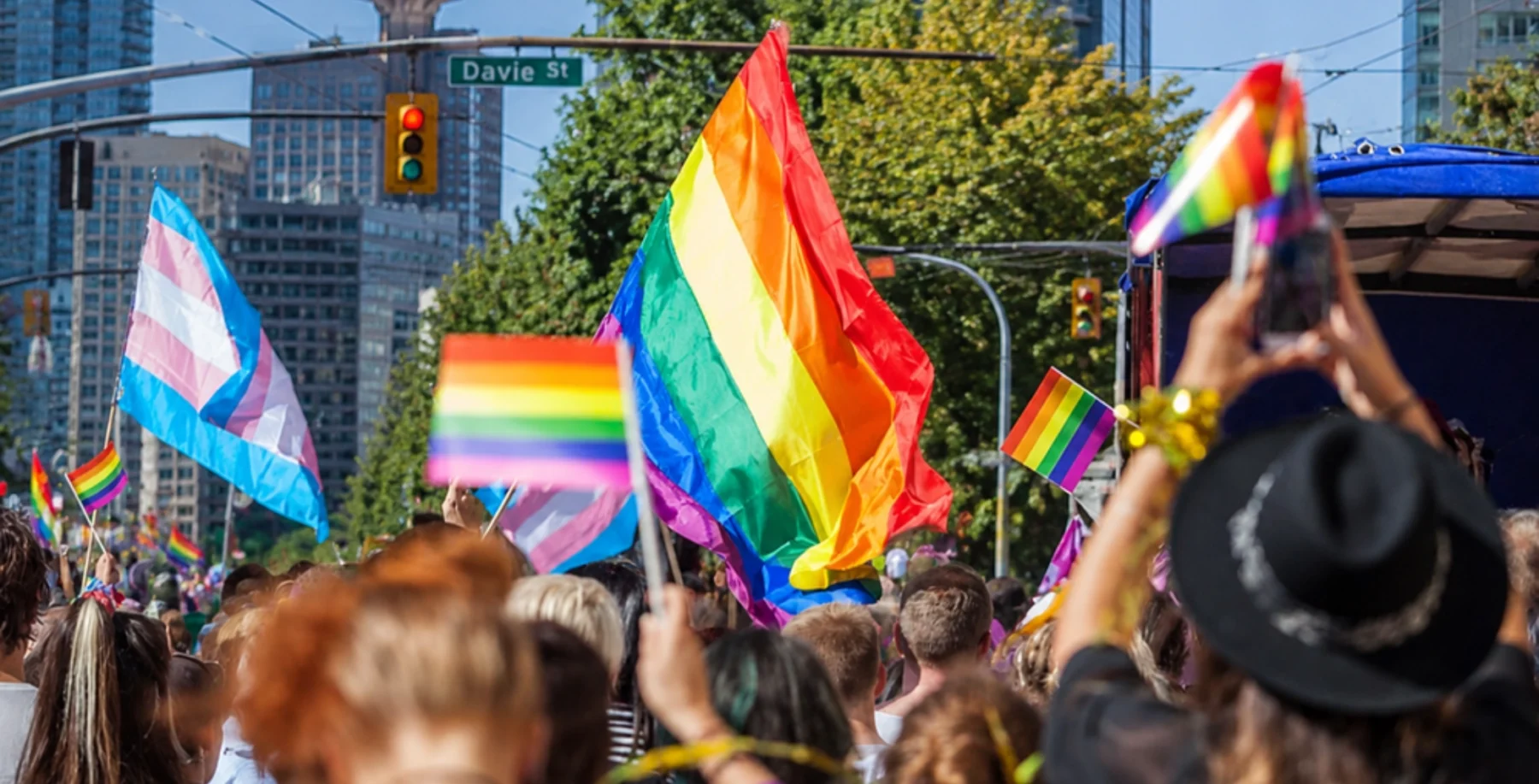
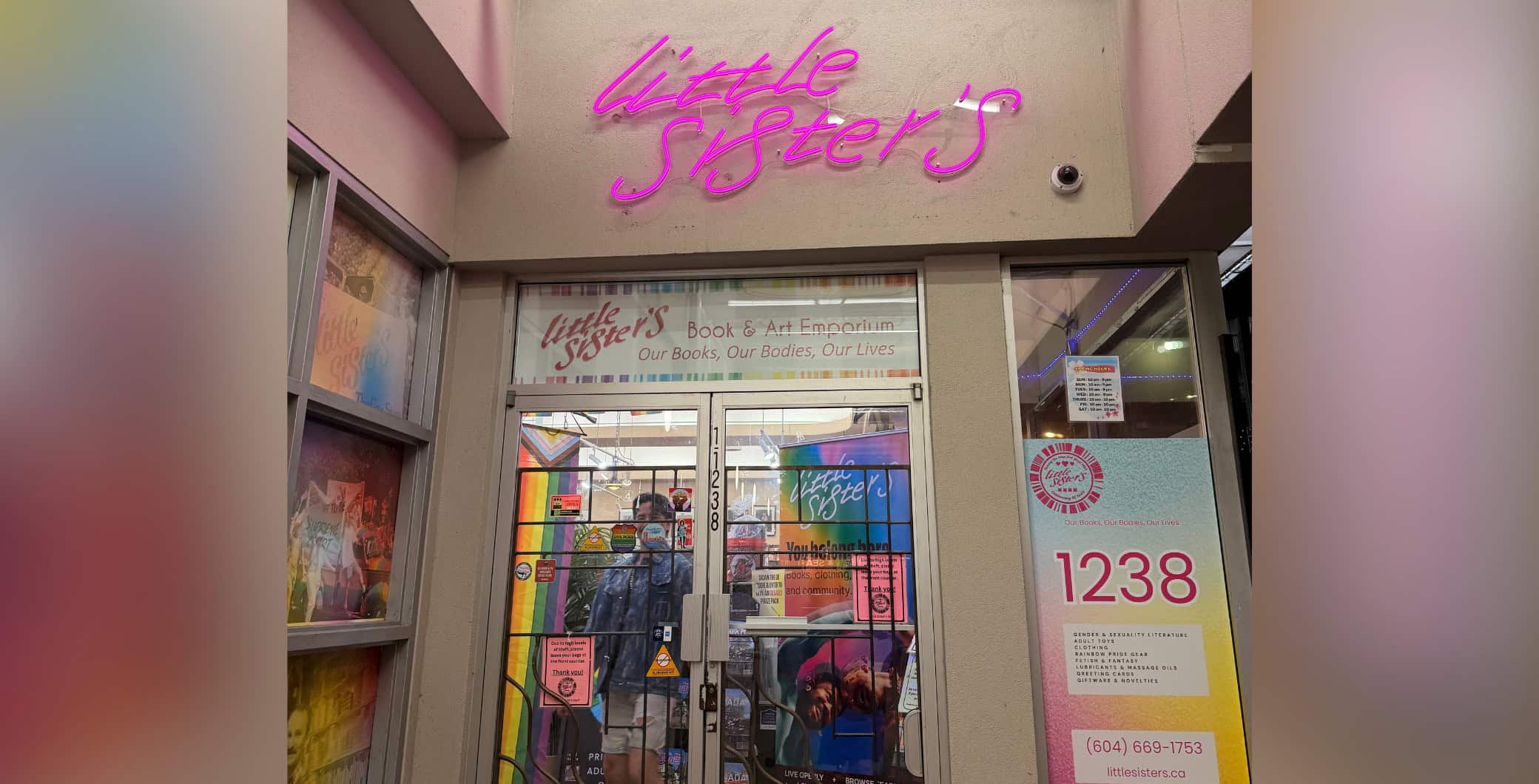
Tucked into a strip of stores in Vancouver’s Davie Village lies a bookstore that has been serving the 2SLGBTQIA+ community for over four decades, selling books, creating safe space for Queer and Trans folks, and standing firm in the fight for equality for Queer communities.
There was a time when books destined for Little Sister’s Bookstore were stopped at Canada’s border. Boxes of literature were seized by customs officials, their contents deemed too explicit or obscene to enter the country. For years, the Vancouver bookstore fought back in what would become one of Canada’s most significant legal battles over censorship and LGBTQ2S+ rights.
Today, that same bookstore is being celebrated on a Canada Post stamp.
Read More
Little Sister’s is one of the destinations honoured by Canada Post’s 2026 Post’s Places of Pride stamp series. The collection rolls out every summer, showcasing sites across the country that played a vital role in shaping Canada’s 2SLGBTQIA+ history and culture. For Little Sister’s owner Parmjot Gill, the stamp represents more than national recognition; it reflects just how far the country has come in terms of acceptance.
“Twenty years ago, Customs Canada was seizing literature bound for Little Sister’s,” Gill told Queer & Now in an interview ahead of Vancouver Pride. “Twenty years later, they are now honouring Little Sister’s for shaping Quer history in a very national way. I think that’s a sign of the values that we uphold as a society. It’s a sign of changing times.”
A bookstore built for community
The bookstore first opened its doors in 1983 after founders Jim Deva, Bruce Smyth and Barb Balfour transformed the ground floor of a house on Thurlow Street into a bookstore while living upstairs. But while the store has always sold books, that wasn’t the founders’ only goal.
At a time when 2SLGBTQIA+ stories were largely absent from mainstream bookstores and libraries, our stories deemed too taboo or explicit for the average Canadian consumer, the founders of Vancouver’s Queer bookseller envisioned a space where our communities could find books and magazines that reflected our stories, but also, that we could find one another in a world where it wasn’t always safe to be visibly or openly Queer.
“It was all about having connection to community, providing queer literature, and just having a hub for everyone to get together. That’s the enduring legacy of Little Sister’s,” Gill explained.
So why the name? Gill explained the very Queer origin story.
“The founders had a cat named Little Sister. So they named their store after their cat,” he laughed.
“The stamp itself, as well as showcasing Jim Deva, Bruce Smith, and longstanding manager Janine Fuller, there’s this little Easter egg on the stamp. If you have a look for it, you’ll see a cat in the corner.”
And more than four decades after opening the doors of Little Sister’s for the first time, and now under new management, that same mission to make Queer media accessible and community connections available continues.
The store now lives at 1238 Davie St. E., just a few blocks from its original home, and has expanded beyond books to include apparel, lifestyle products and gender-affirming items, but community remains at the heart of everything the bookstore does.
From censorship to the Supreme Court
Little Sister’s quickly became much more than a neighbourhood bookstore. During the 1980s and 1990s, Canadian customs officials repeatedly detained, confiscated and destroyed books and magazines imported by the store under Canada’s obscenity laws. Many of the same titles were allowed into larger mainstream bookstores, prompting Little Sister’s to argue it was being unfairly targeted because it specifically catered to Canada’s 2SLGBTQIA+ communities.
After years of legal challenges, the bookstore’s fight culminated in the landmark 2000 Supreme Court of Canada decision Little Sister’s Book and Art Emporium v. Canada (Minister of Justice). While the Court upheld Canada’s obscenity laws, it ruled that customs officials had discriminated against the bookstore in how those laws were enforced, forcing changes to border practices and establishing an important precedent for freedom of expression.
The bookstore also survived repeated bombings and acts of vandalism throughout its history, reinforcing its place as both a cultural institution and a symbol of queer resilience.
Yet Gill believes the store’s story is about more than resistance.
“I think another way to look at it is really about acceptance,” he said.
“Little Sister’s has always been about finding acceptance in who you are and helping others find acceptance in who they are.”
Little Sister’s: More than books
While shelves of queer literature remain central to the bookstore, Little Sister’s has evolved alongside the communities it serves. Gill says the addition of gender-affirming products, apparel and sexual wellness items reflects the many ways people explore identity and self-expression.
“If you think about sexuality, it is so complex. It is so vast. It is so beautiful,” Gill said. “Little Sister’s provides wraparound products that help us figure those things out.”
The expansion has also helped ensure the bookstore’s long-term sustainability while preserving its original purpose: creating a welcoming space where people can learn about themselves without judgment.
“We need to have places like Little Sister’s where one can go to learn more about themselves or to discover who they are and what makes them feel good,” Gill said.
Little Sister’s: A legacy that continues
For Gill, being honoured by Canada Post isn’t simply recognition of the bookstore’s past, but also an acknowledgment that spaces like Little Sister’s remain essential.
The store has witnessed dramatic shifts in Canadian society over the past four decades, from censorship and discrimination to increasing public recognition of Queer and Trans communities, to the contemporary contentious political climate which has seen Trans rights consistently under attack. Yet, he says, one thing has remained constant.
“The community has always been resilient,” Gill said. “It was resilient then, it was resilient yesterday, and it will continue to be resilient in the future.”
As Pride season continues in Vancouver, Gill hopes the story of his store reminds people that progress is never guaranteed, but community can endure.
“We’re going to fight for the rights that we have, will uphold, and continue to progress,” he said.
More than 40 years after its doors first opened, Little Sister’s continues to offer something that can’t be found in every bookstore: a place where queer people can see themselves, discover their stories and know they belong.