What to know
- Vancouver’s Pride movement began in 1973 with early celebrations organized by the Gay Alliance Toward Equality.
- In 1978, activists held what is often considered Canada’s first unofficial Pride parade, transforming quiet gatherings into public protest.
- Vancouver became home to Canada’s first officially sanctioned Pride parade in 1981 after receiving municipal recognition.
- For decades, Pride remained a grassroots movement focused on fighting for 2SLGBTQIA+ rights.
- Today, Vancouver Pride has grown into a major celebration — while continuing to carry its activist roots.
While Toronto and Montreal are often considered Canada’s Queer capitals, Vancouver made history by hosting the country’s first official Pride parade in 1981. But that story began years earlier with a hidden picnic in the park.
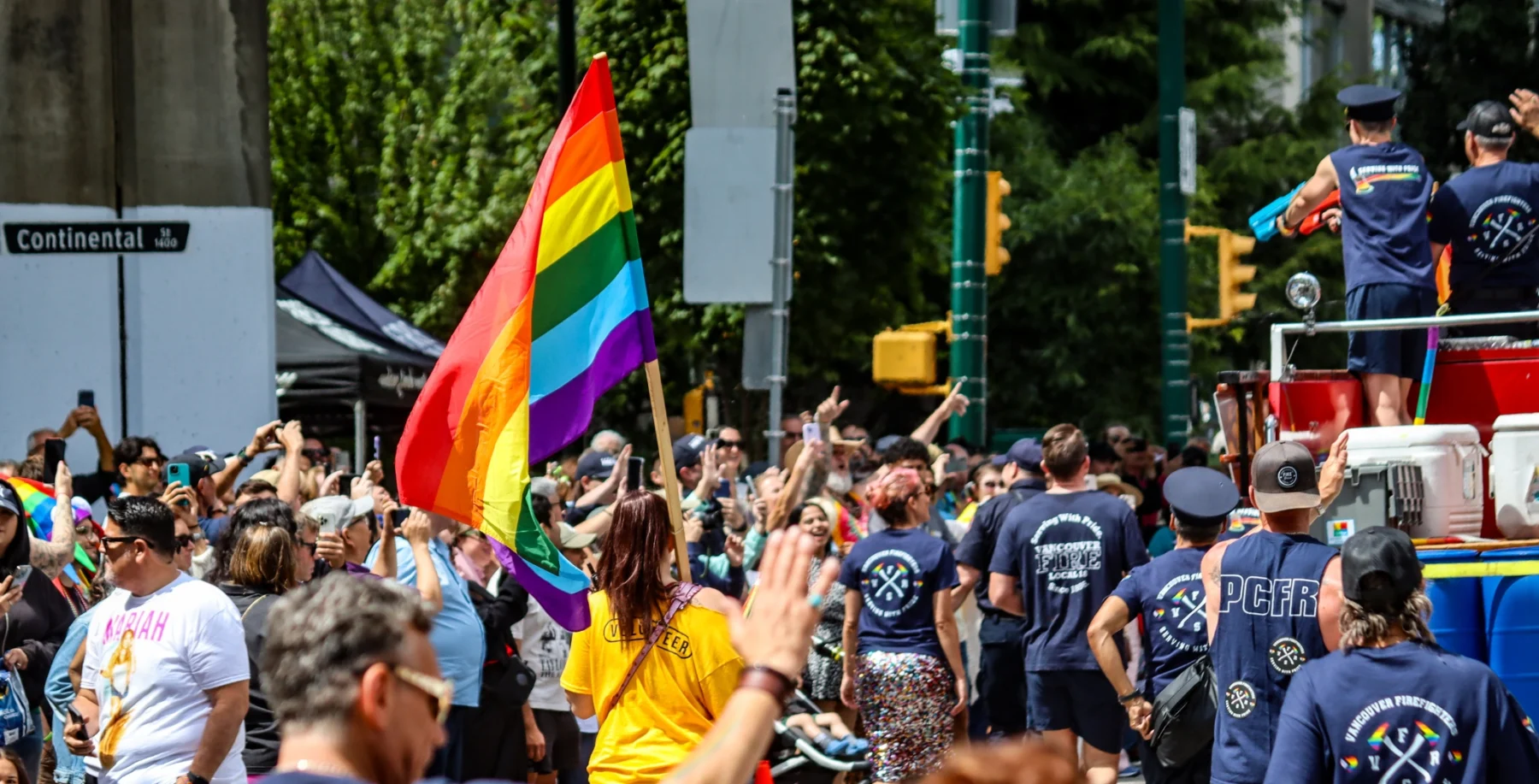
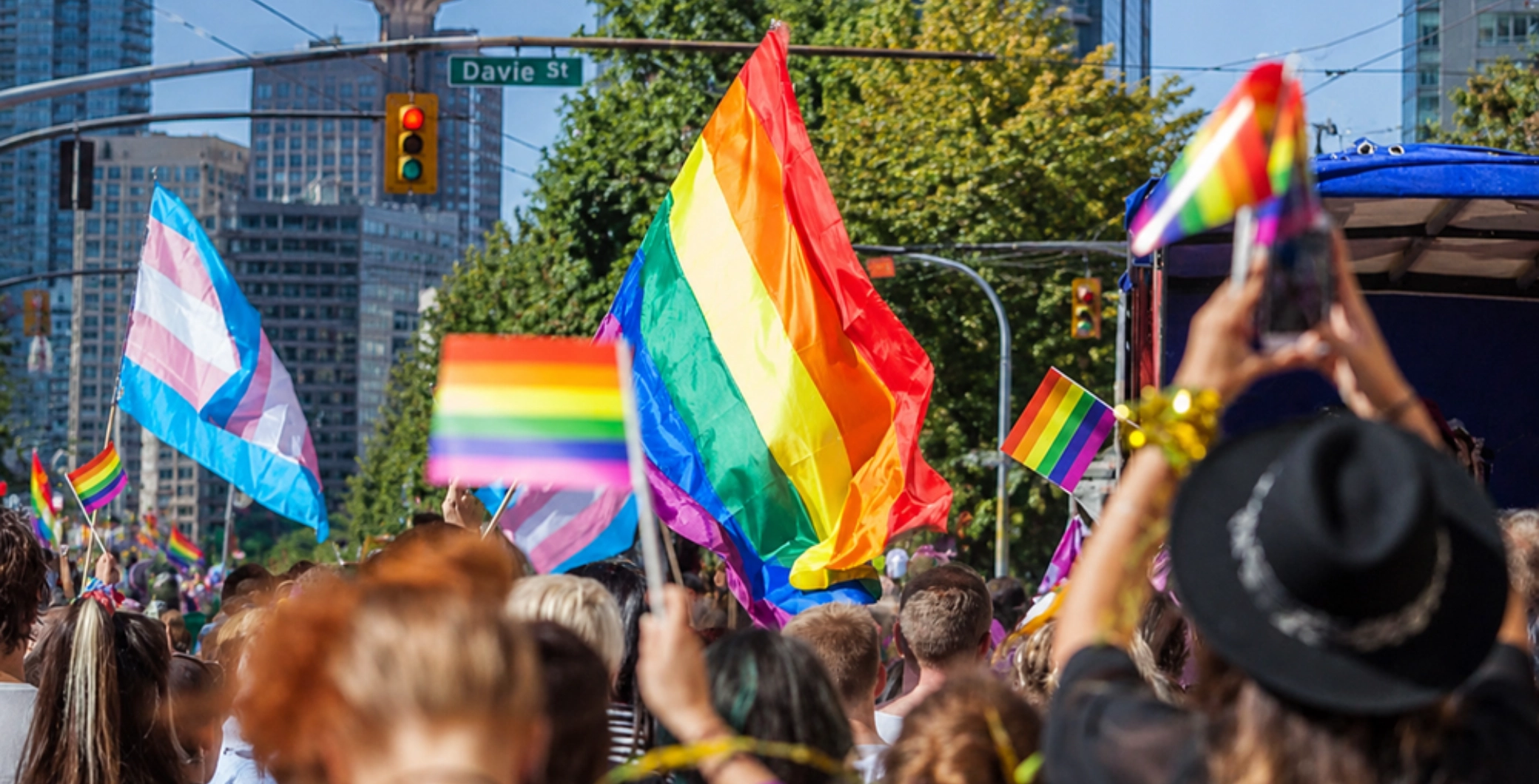
Tens of thousands of people are beginning to pack into Vancouver’s downtown core for a weekend of celebrations that will culminate with an iconic parade along Pacific Blvd. on Sunday. Rainbows are rolling out across the city, dance floors are already getting crowded, and celebrations are in full swing. With all the glitz and glamour of contemporary celebrations on the Canadian West Coast, it’s easy to see the event as a massive party celebrating Queer communities, loudly and proudly. But over 50 years ago, Vancouver Pride looked very different.
Read More
There were no corporate floats, no road closures, and no rainbow flags flown at City Hall. It wasn’t even called Pride. But in 1973, a small group of 2SLGBTQIA+ people came together for a picnic organized by the Gay Alliance Toward Equality at Ceperley Park near Second Beach in Stanley Park. Queer historian Glenn Tkach explained that the quieter celebrations were intentional.
“There were worries about police intervention or police surveillance,” Tkach tells Queer & Now. “So they just kind of kept themselves out of the way.”
“It was called the Teddy Bear Picnic, which was a way of being able to promote it without hopefully getting noticed by the police or without drawing too much negative attention,” he explained.
Marriage equality was still decades away, and same-sex sexual activity in Canada was only partially decriminalized four years earlier, in 1969. But just a few short years after that first picnic, Vancouver’s first unofficial Pride march took place on June 30, 1978.
“Everything starts as a protest,” says John Boychuk, co-chair of the Vancouver Pride Society. “It started as a protest march that ended with a case of beer by a hollow tree in the park.”
But at the end of that first event, Boychuk explains, the attendees wanted to do it again. While attendees continued taking to the streets, calling for equal rights and treatment of the 2SLGBTQIA+ community.
From a hidden picnic to Canada’s first official Pride parade
Then came the breakthrough. The first official Pride parade happened three years later in 1981, making Vancouver home to Canada’s first officially sanctioned Pride parade. The city granted the parade status and issued an official proclamation recognizing what was then called Gay Unity Week. While Toronto and Montreal also held significant marches that year, Vancouver’s was the first to receive formal civic endorsement. While Toronto’s first unofficial march was in 1981, the City of Toronto did not officially proclaim its first Pride Day until 1991.
While the city has officially recognized the event since then, for much of its early history, Pride in Vancouver remained less of a festival and more of a protest. Boychuk explains that the first two decades of Pride’s existence in Vancouver were fueled almost entirely by grassroots activists advocating for basic human rights.
“There was nobody political marching with the organization. There were no big corporate sponsors that wanted to attach their name to it,” Boychuk says.
“It was really a grassroots organization that continued to fight for rights,” he says, noting that milestones such as marriage equality represented progress, but not the end of discrimination.
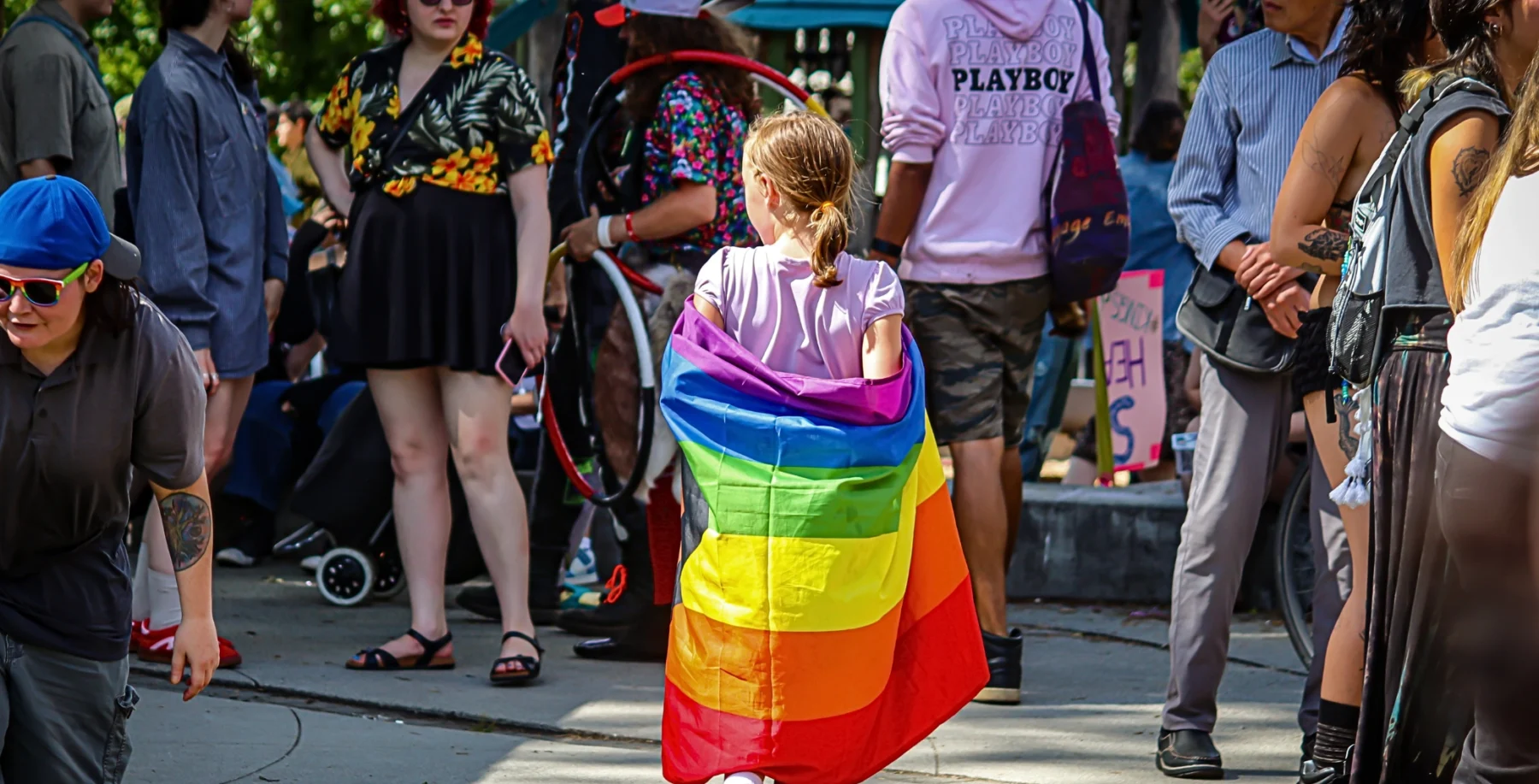
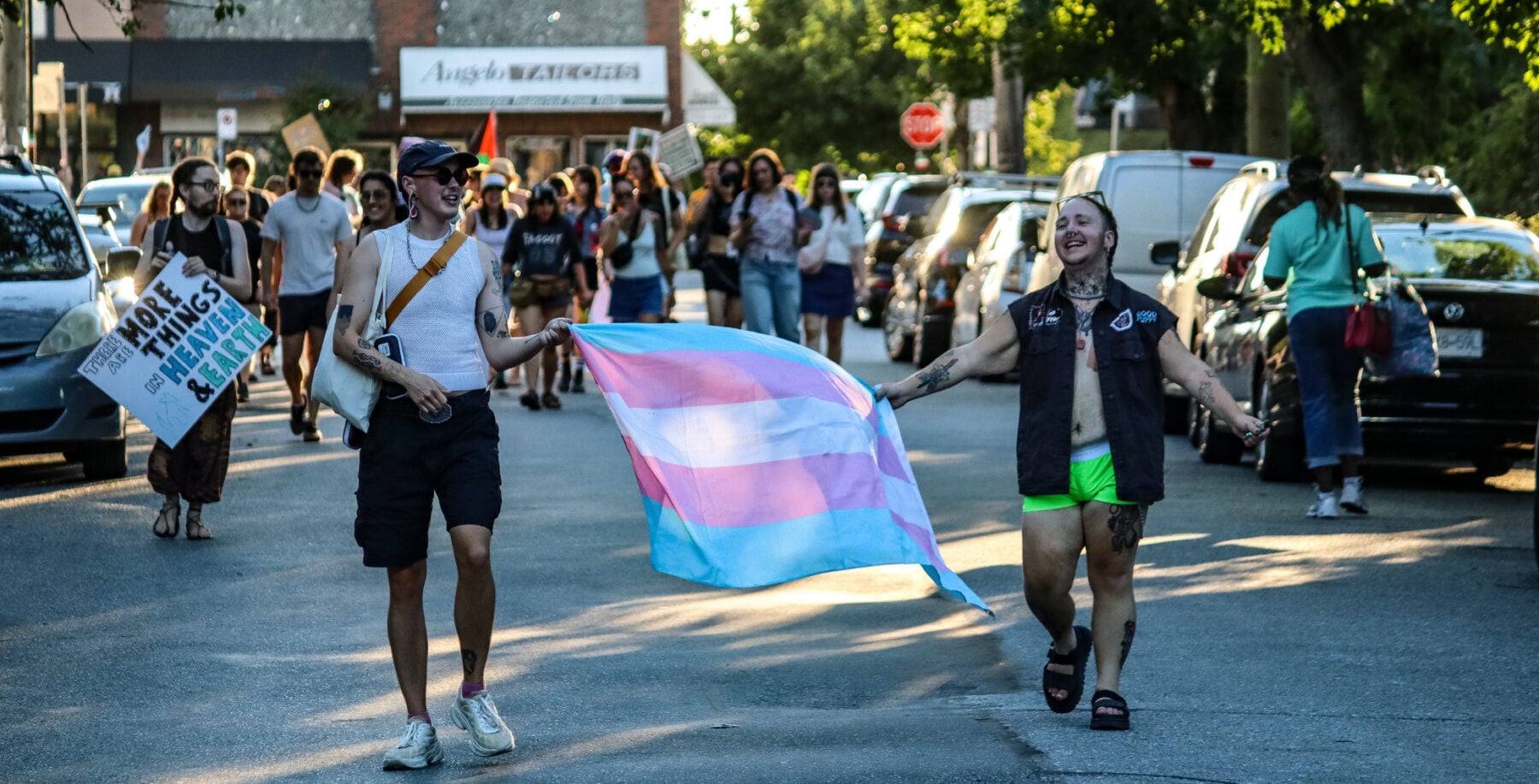
But, as legal protections expanded, so did Pride itself. The parade route grew. Attendance climbed into the tens of thousands. New events, including the Dyke March and later the Trans March, emerged to centre communities whose activism remained rooted in protest rather than celebration.
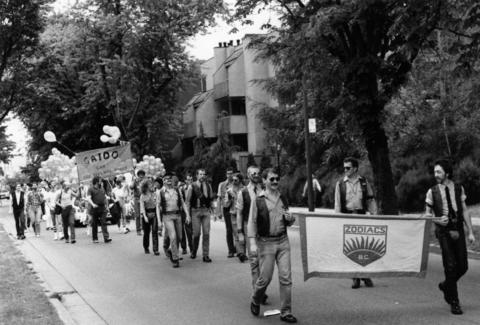
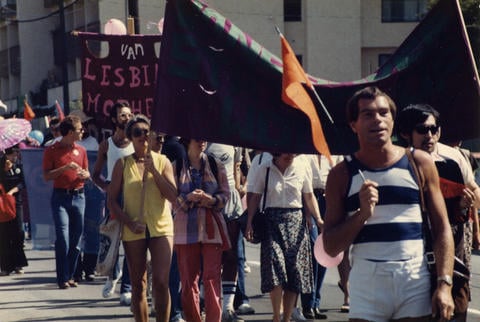
Tkach points to the Dyke March as an example of what grassroots Pride celebrations in the coastal city looked like.
“The Dyke March… carries more of the original flavour still, being a march and a protest and not a parade or a celebration. There are no floats. There’s no corporate logos,” he says.
Why Pride still matters
This year’s Vancouver Pride theme, “Unapologetically Queer,” arrives amid renewed debates over 2SLGBTQIA+ rights in Canada and abroad. Boychuk says that the current political climate makes Pride as necessary as ever.
“Until we have that [equality] worldwide, Pride will always be necessary,” he says, pointing to the need for visibility, belonging and the ability for 2SLGBTQIA+ people to live their truth openly and safely.
Tkach echoes this, highlighting that in the countries around the world where 2SLGBTQIA+ communities enjoy rights and freedoms, including here at home, Queer and Trans rights were won in relatively recent history, and remain fragile.
He highlights growing pushback against Queer inclusion in schools, attacks on Trans rights and broader political backlash as reminders that progress isn’t always permanent.
Read More
“We’ve made a lot of progress in a few short decades, but it happened quickly, and it’s vulnerable,” he says.
Tkach is a self-taught historian who has been operating walking Queer history tours throughout Vancouver for several years. He explained that from his view, visibility remains one of the community’s strongest tools because it reminds people that LGBTQ2S+ people are not strangers, but neighbours, teachers, doctors and family members.
More than a parade
Today, Vancouver Pride draws over 100,000 attendees each year, with more than 9,000 people expected to participate in this year’s parade.
But Boychuk says the organization itself isn’t what defines Pride.
“Pride is a movement,” he says. “If every Pride organization imploded across Canada… people would still come together. People would still march, people would still celebrate, people would still be visible.”
More than 50 years after a handful of people quietly gathered in a hidden park, that may be Vancouver Pride’s greatest legacy: proving that while parades can evolve, movements endure.
“Pride organizations are only a vessel to help the people who need that voice or somewhere to be able to find to put that voice. So we may not be here in 50 years, but Pride as a movement certainly will be.”