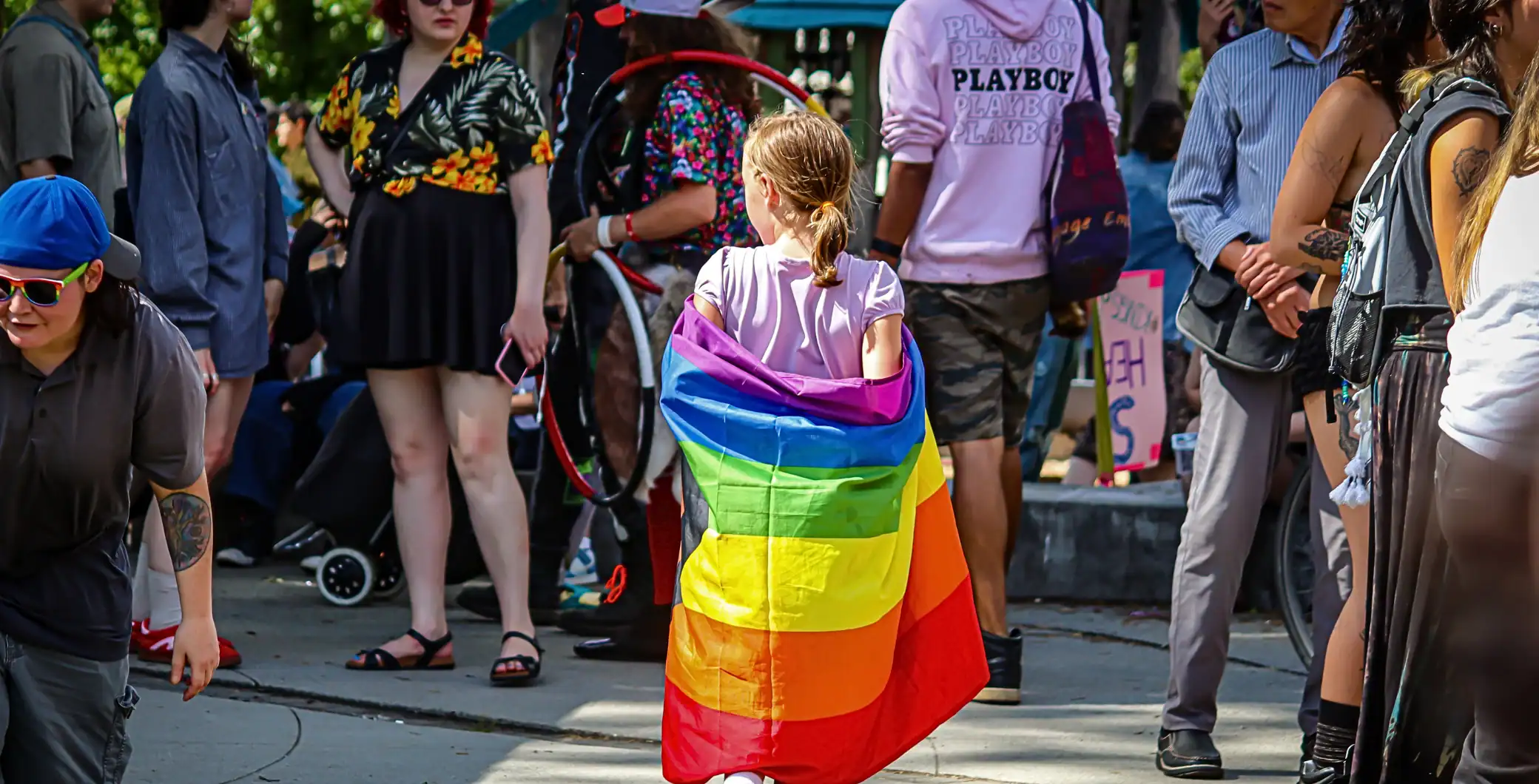
When I first came out, I wasn’t looking for a party. I was looking for proof that the life I imagined for myself was possible. Every year, the Dyke March gave me exactly that: women living loudly, independently and unapologetically on their own terms. More than a decade later, attending my first Vancouver Dyke March reminded me that representation isn’t just about seeing yourself reflected in others — it’s about becoming that reflection for someone else.
I was looking for proof my future was possible
Let’s start at my beginning. I first came out to my Conservative, Caribbean-European family as Queer 12 years ago. First sheepishly declaring that I was Bisexual, or maybe Pansexual, before settling into my identity as a Lesbian during my later teens. From then on, I’ve attended the yearly Dyke March in Toronto every June. Getting on the train into the city as a teen, I’d head to The Gay Village looking for community and representation that wasn’t widely accessible in my hometown of Whitby.
Read More
While I sought out representation of a successful Queer life, more pointedly, I was looking for women living how I wanted to live: independently, proudly, and by their own terms. And let me tell you that every Dyke March I’ve ever attended has provided that kind of visibility in spades. Now in adulthood, that process of finding my identity is one I don’t often reflect on, except for when I attend a Dyke March.
22 years of the Vancouver Dyke March
Vancouver’s annual Dyke March, now in its 22nd year, is an event organized by local community members and activists as a way for Sapphics to take up space. This includes Lesbians, Bisexual and Pansexual women, Transgender communities, and anyone else who identifies with the Sapphic label.
In a country with hundreds of permanent bars and spaces catering to Gay men, there is not a single Lesbian bar — yes, you read that right; Canada does not have a Lesbian bar in any of its provinces or territories. And while bars are not the end-all and be-all of Queerdom, it would be nice to have just one.
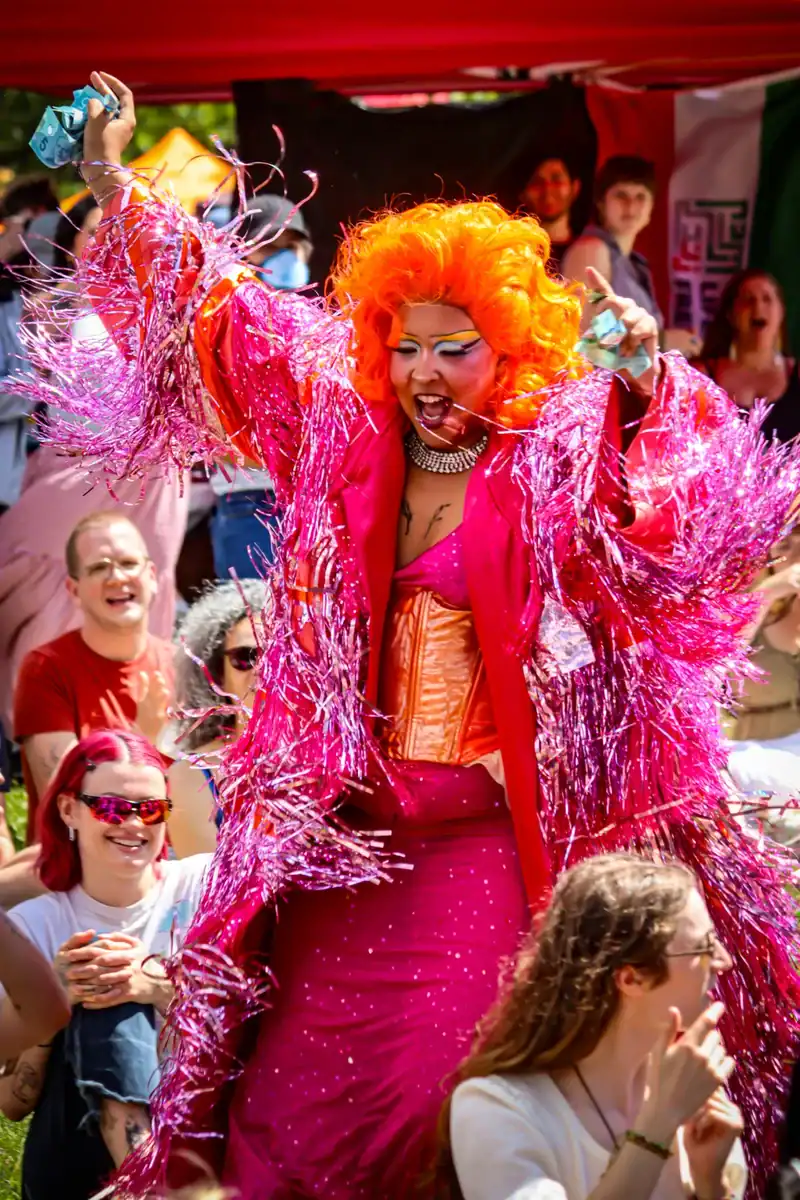
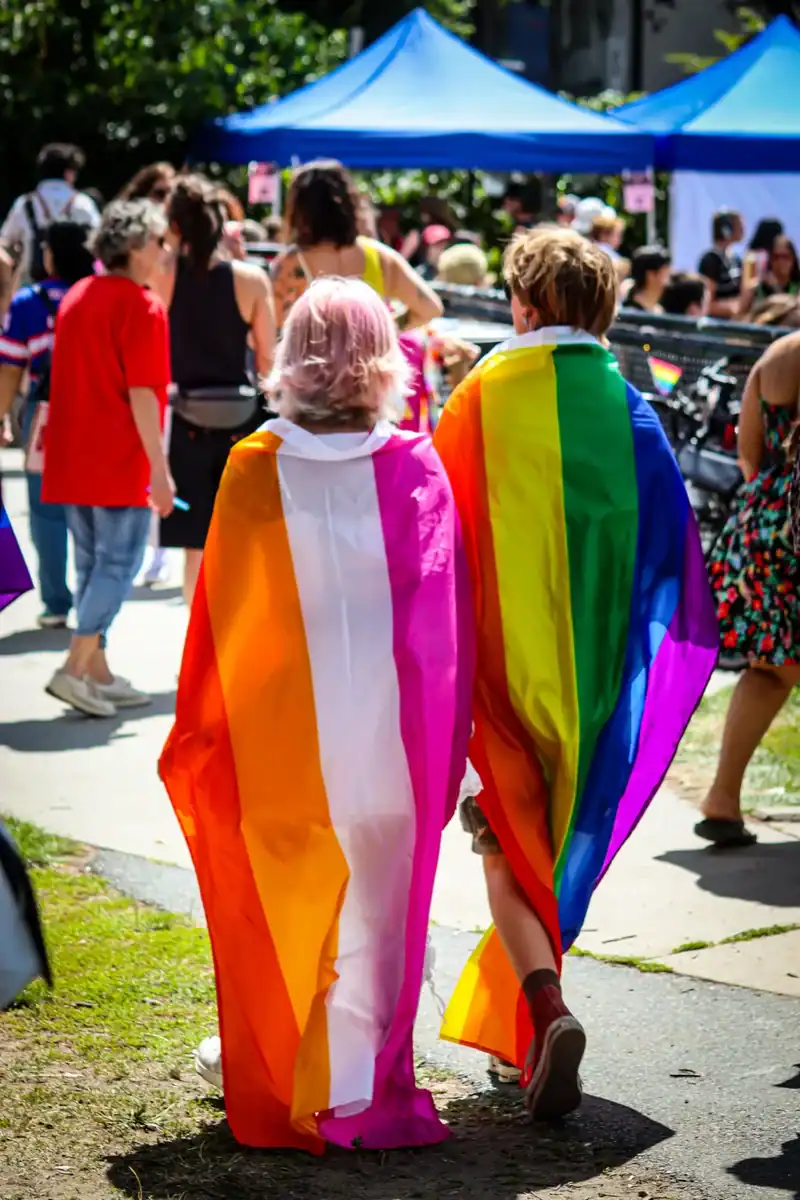
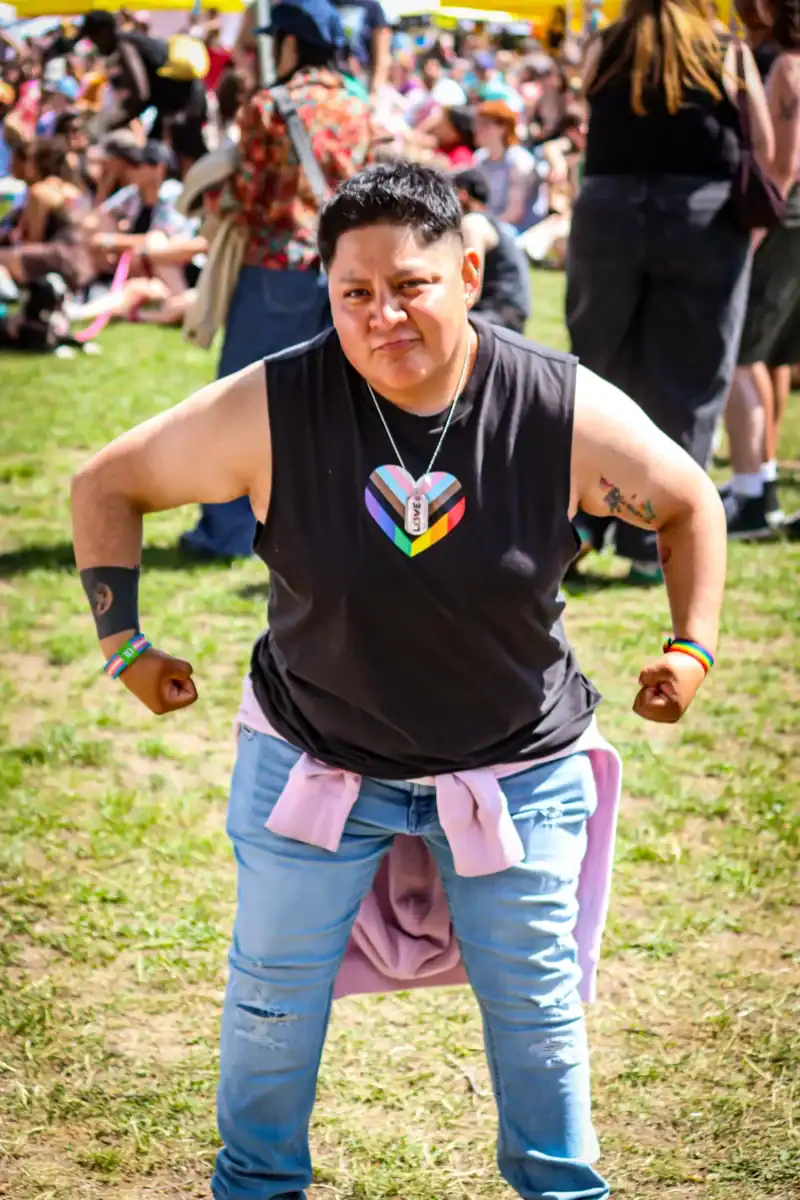
As such, it’s no surprise that this Pride event by and for the Sapphic community is welcomed with open arms in cities across North America. They serve not just as celebrations, but as infrastructure, becoming more than a place to party and be entertained, but also to gather, connect and meet one another.
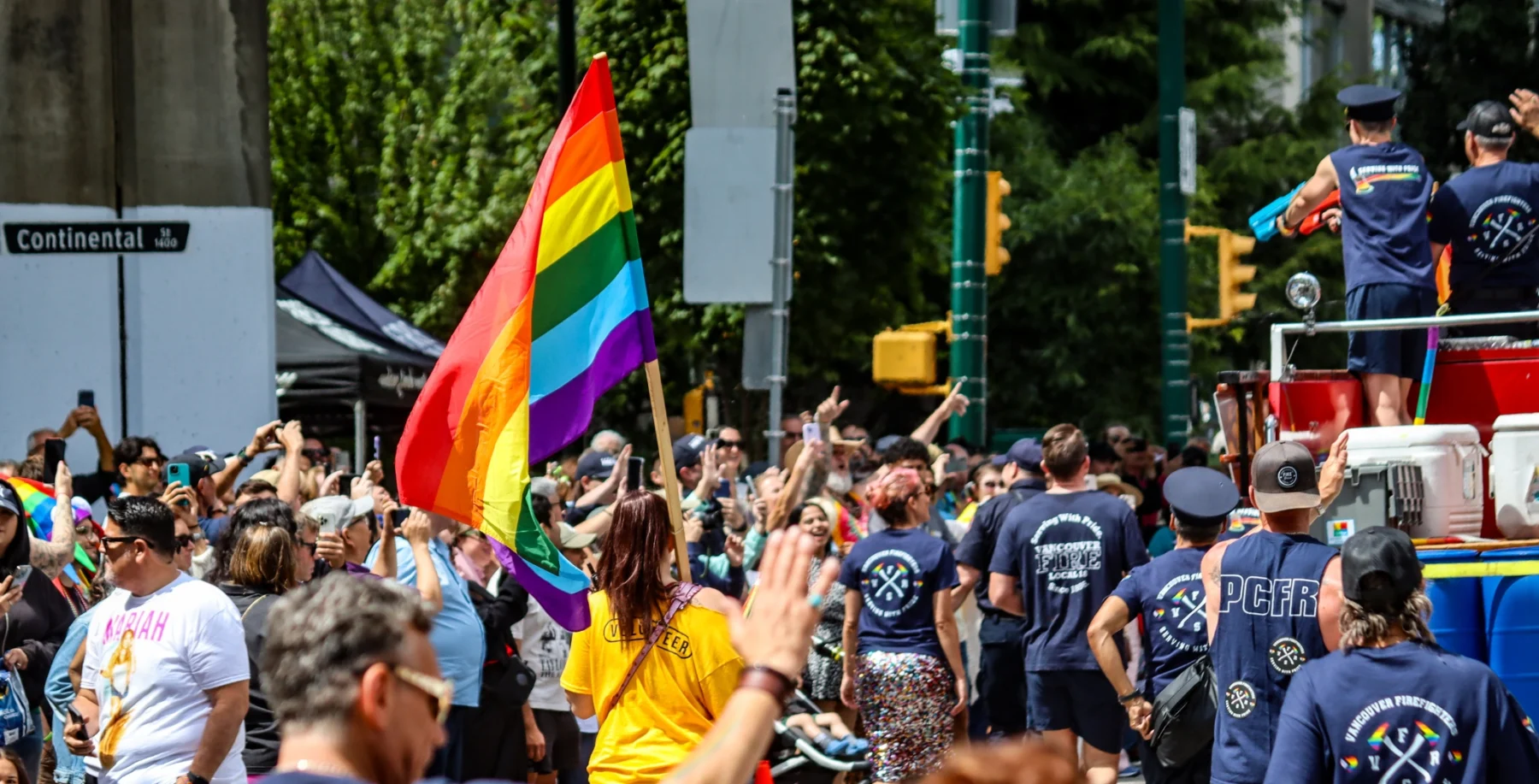
This year, as Now expands to Vancouver, I’m enjoying the pleasure of celebrating Pride on the west coast for the first time, and it’s easy to see why this week-long celebration of the 2SLGBTQIA+ community is so popular. But the Dyke March itself is a different beast entirely.
Women excluded from the narrative of Queer liberation, and excluded from Queer spaces
While women revolutionaries are often excluded, forgotten, or misrepresented in historical narratives, they also often do a lot of the heavy lifting. This is true of the Queer rights movement, too.
Figures such as Stormé DeLarverie, Marsha P. Johnson and Sylvia Rivera have become synonymous with the fight for 2SLGBTQ+ liberation, while countless Lesbians organized behind the scenes, from community advocacy to caring for gay men during the AIDS crisis. The “L” was later moved to the front of LGBTQ+ in recognition of that work.
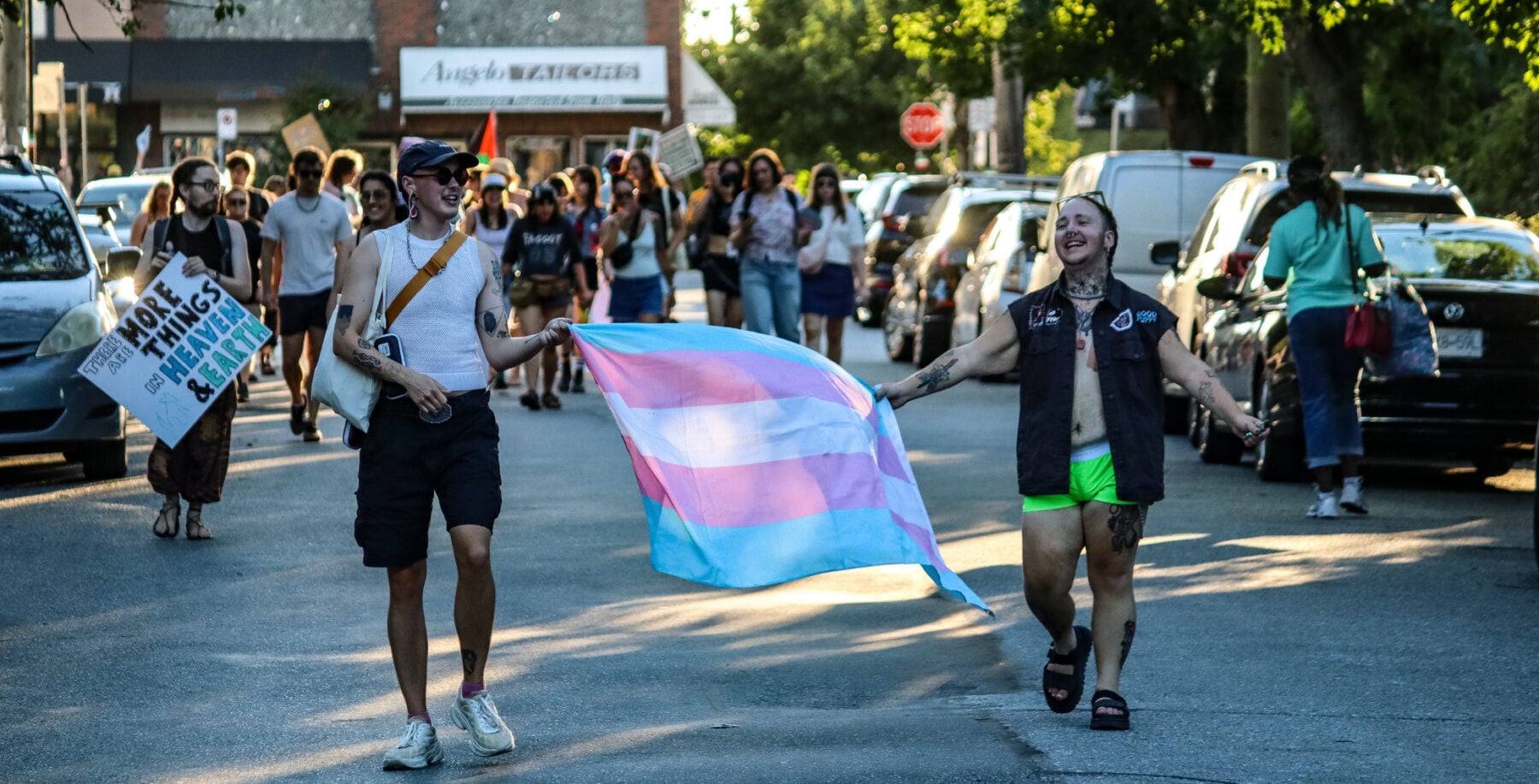
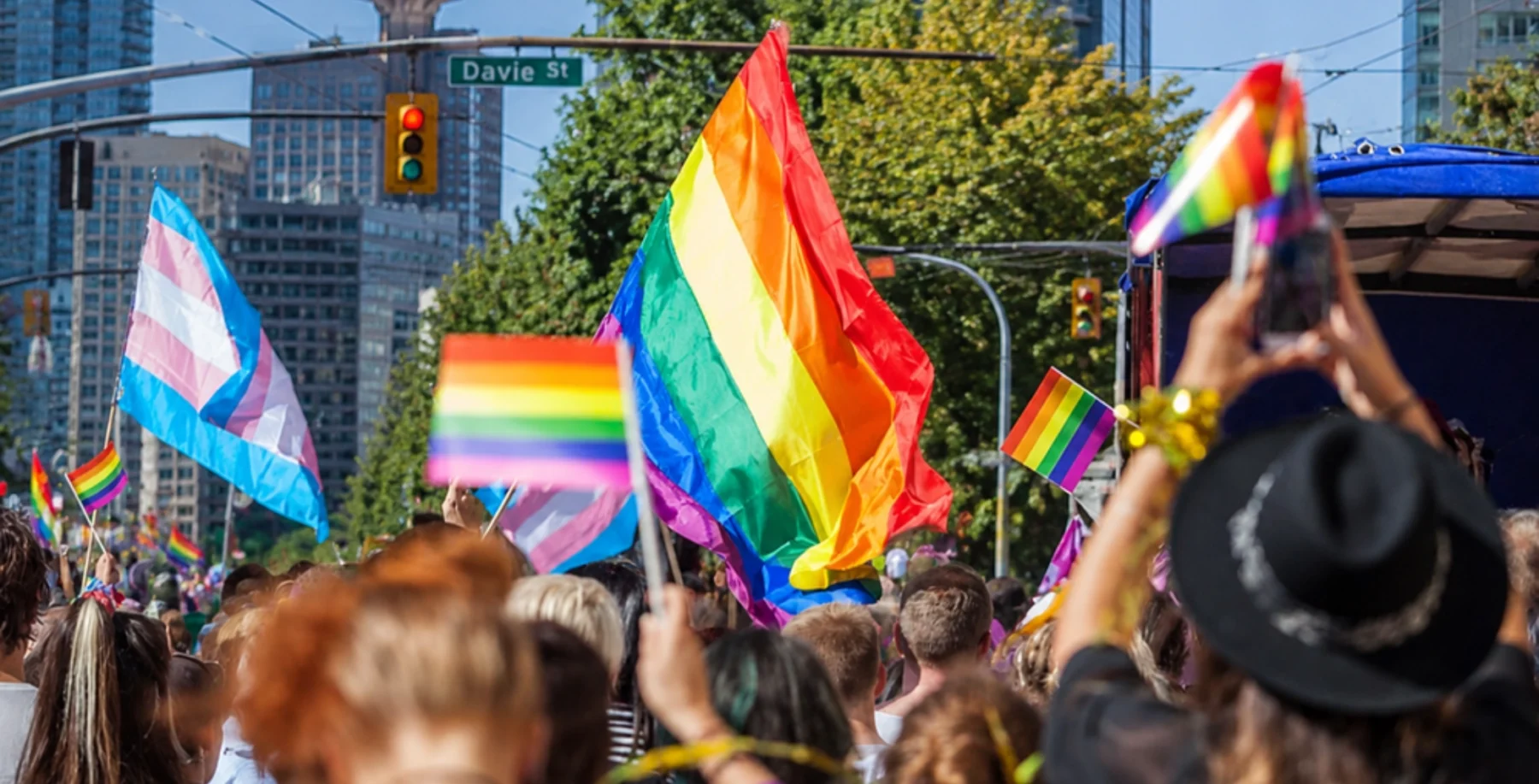
The annual Dyke March, usually falling on the Saturday of Pride weekends across North America, is a celebration of all this and more. Reclaiming the word historically used as a derogatory term for Lesbians, the event honours all Sapphics, creating both a safe space and representation.
Thousands of Sapphics and allies take over Grandview Park
Sprawling over Grandview Park in the city’s east end, this Vancouver event is a well-oiled machine, with dozens of vendors and community service tables, food trucks lining the surrounding streets, and thousands of Sapphics joined by family, friends, and allies. The rally, march and subsequent community festival truly feels like an oasis for Sapphics, right in the heart of Vancouver.
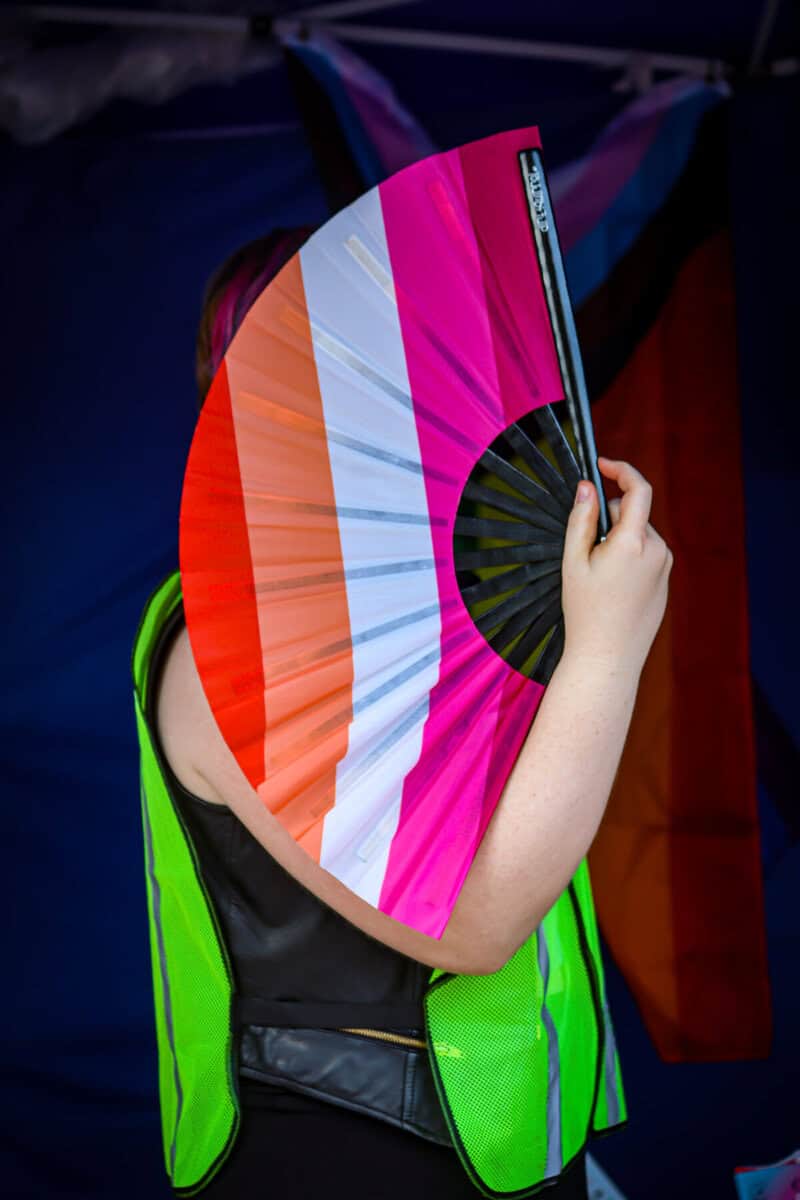
Organized by volunteers, the Vancouver Dyke March, like many of its sister events around the globe, is a grassroots celebration of Queerness, and that grassroots element emanates from its core. The atmosphere of a family reunion with a family that really likes one another filled the park as attendees shared fans, drinks, and laughter, sitting together and eating, or scraping each other’s hair back into ponytails and plaits, touching up makeup and reapplying glitter liberally.
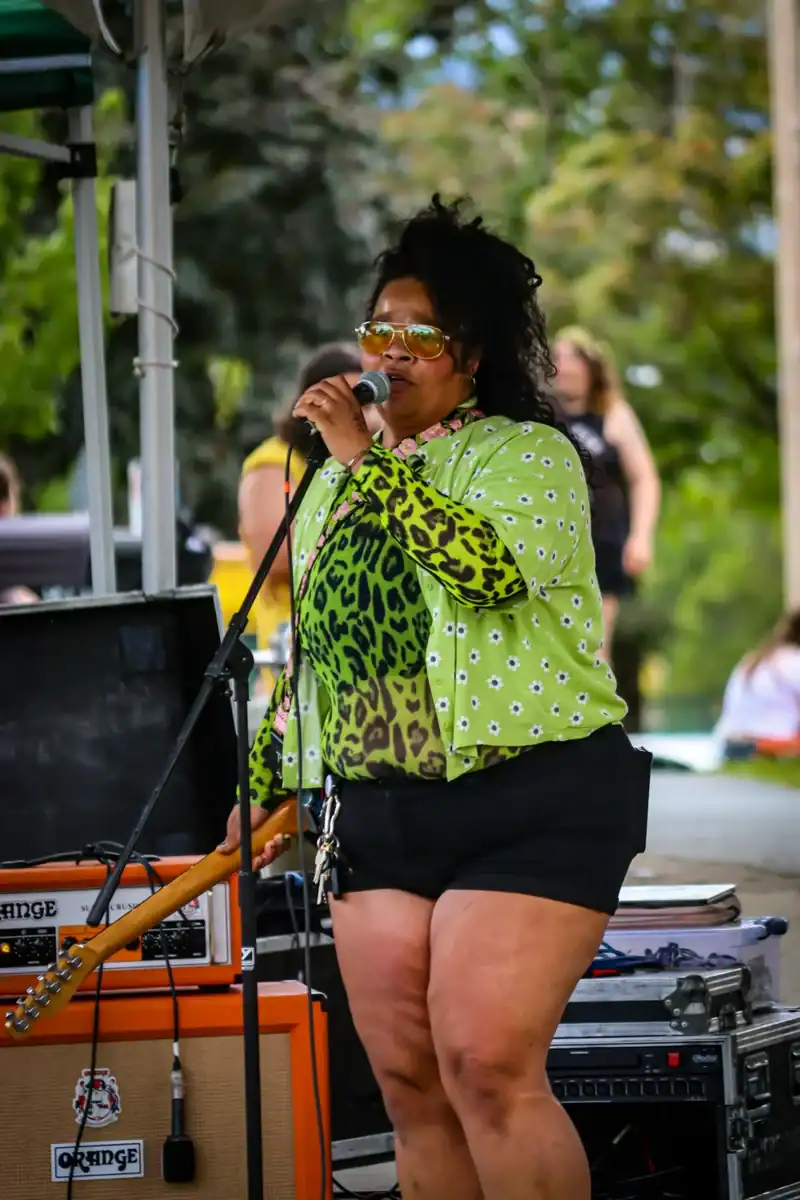
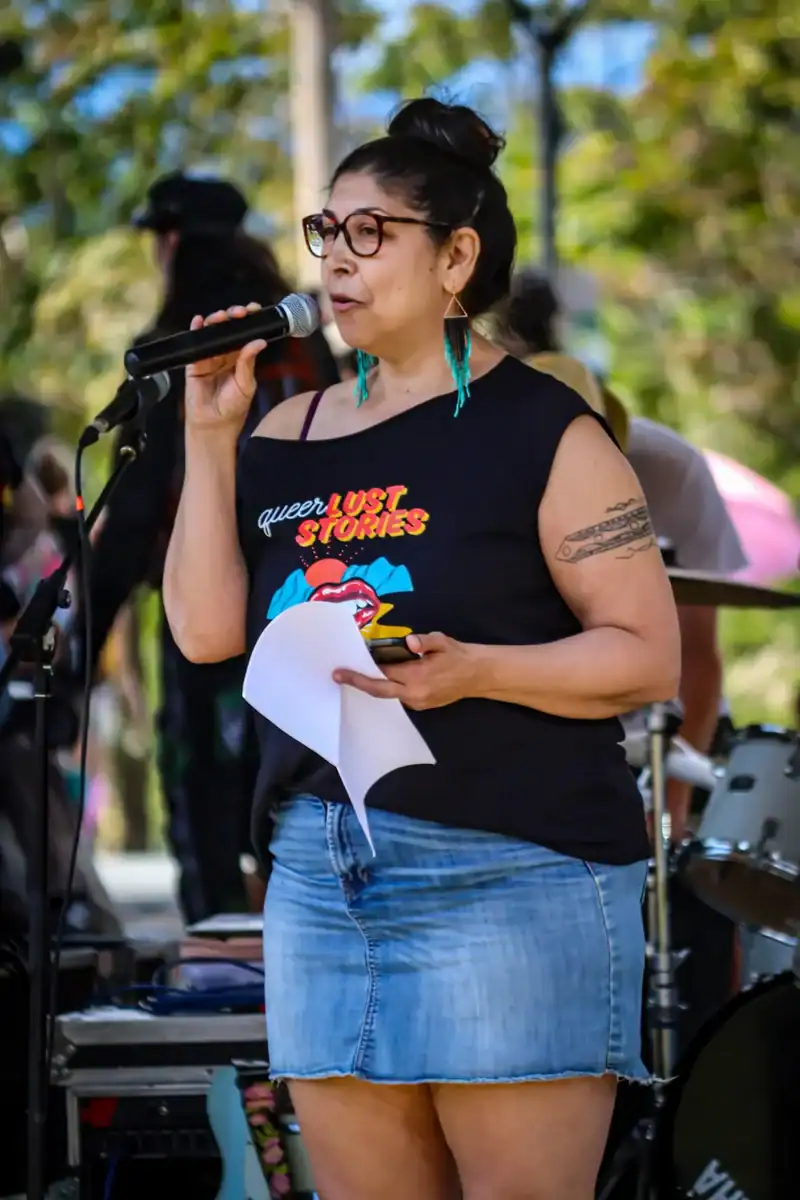
As I sat in the middle of it all, I couldn’t help but imagine what it would be like if Sapphic celebrations and community events were more commonplace. What if these spaces weren’t limited to once a year in the larger cities and towns of Canada? What if Sapphics had more spaces that belonged to us outside of Pride? What would that mean for Queer women and other Sapphics? For women like me?
That question stayed with me long after I left the park. In Queer settings, we often talk about community as though it exists everywhere, but for many Sapphics, even within 2SLGBTQIA+ spaces, community is something we have to actively seek out, and often travel for. Dedicated spaces are rare, and can disappear as quickly as they emerge, pushed out by rising costs, shifting nightlife, or a lack of sustained investment.
Becoming the representation I once needed
Twelve years after first stumbling through labels that never quite fit until “Lesbian” finally did, grown and living loudly and proudly 365, I no longer come to the Dyke March searching for certainty about who I am.
Maybe it was my frontal lobe developing, maybe it was my eldest Goddaughter coming out as Queer, maybe it was starting this column back in 2023, but somewhere along the way I came to be comfortable wearing the L in 2SLGBTQIA+ proudly every day. As such, I take up space during Dyke Marches intentionally, becoming part of the representation of Sapphic life, of independent, self-defined womanhood that I needed as a young girl. I also see it as a celebration of all the Queer women — mentors, lovers, colleagues and friends — who have shaped my life with their care, guidance, and love.
Having attended marches in Toronto, Ottawa, and now Vancouver, I’m reminded of my younger self who never knew quite where she belonged, until the Dyke March helped her figure it out. The young Lesbian who was scared of living her truth, who didn’t yet know the resilient 2SLGBTQIA+ people who would impact my story. This is why these spaces matter. I’m also reminded that there are so many other women like me, building lives that don’t revolve around the expectations placed on women to partner with men or shrink ourselves to fit into someone else’s version of normal, and outside of community, this can be easy to forget.
The magic of Dykes
No matter where you’re attending, something magical happens during Dyke Marches: for a few hours, the possibility of a Sapphic life, a reality that many of us live every single day, becomes widely visible. And in a country where there isn’t a single permanent Sapphic-dedicated brick-and-mortar space left to gather in, perhaps that’s what the Dyke March has become: not simply a protest or a celebration, but our town square.
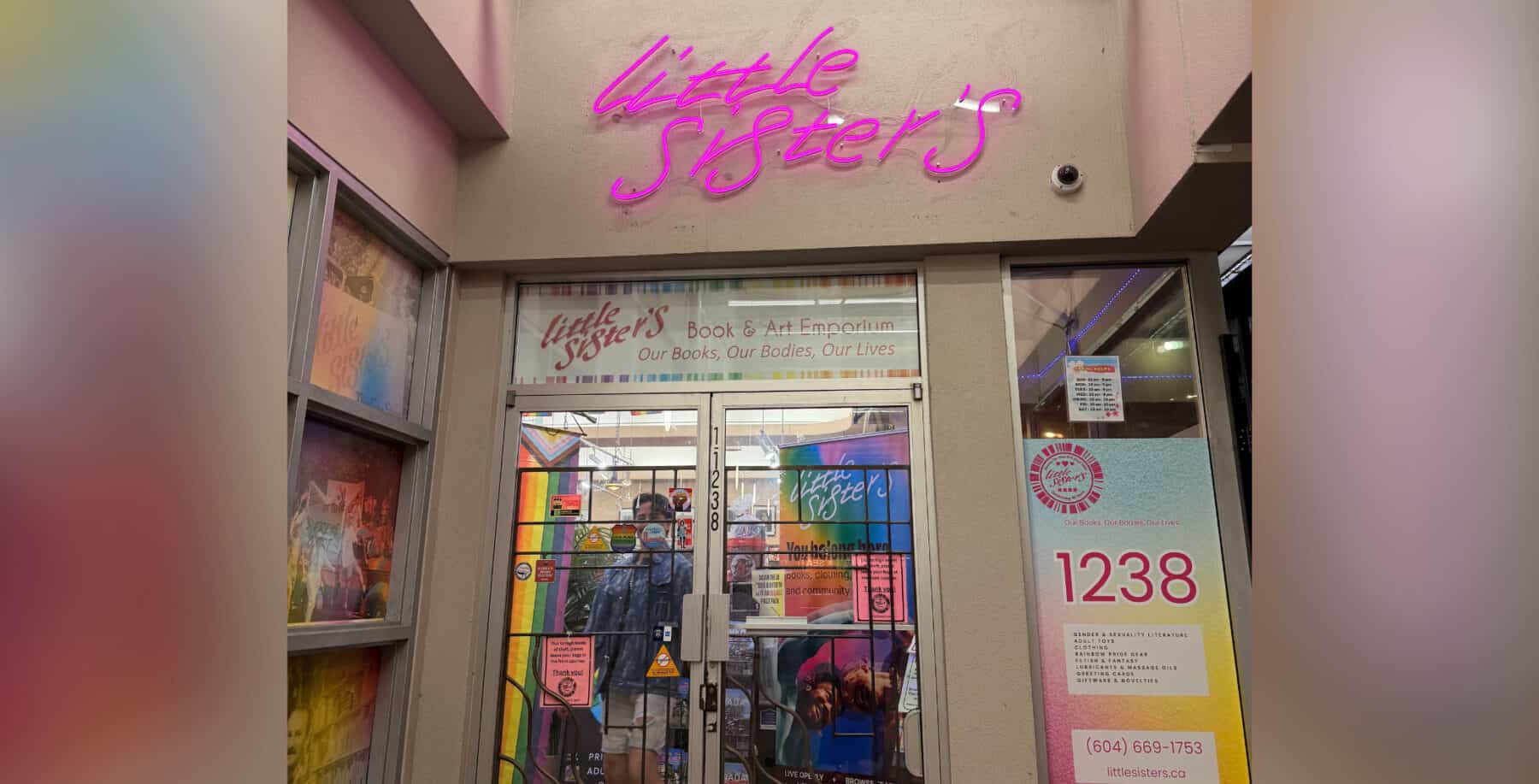
We often measure the health of a community by the institutions it leaves behind: bookstores, community centres, cafés, bars, places that signal to members of that community that they belong here. Lesbians and other Sapphics in Canada have watched many of those places disappear.
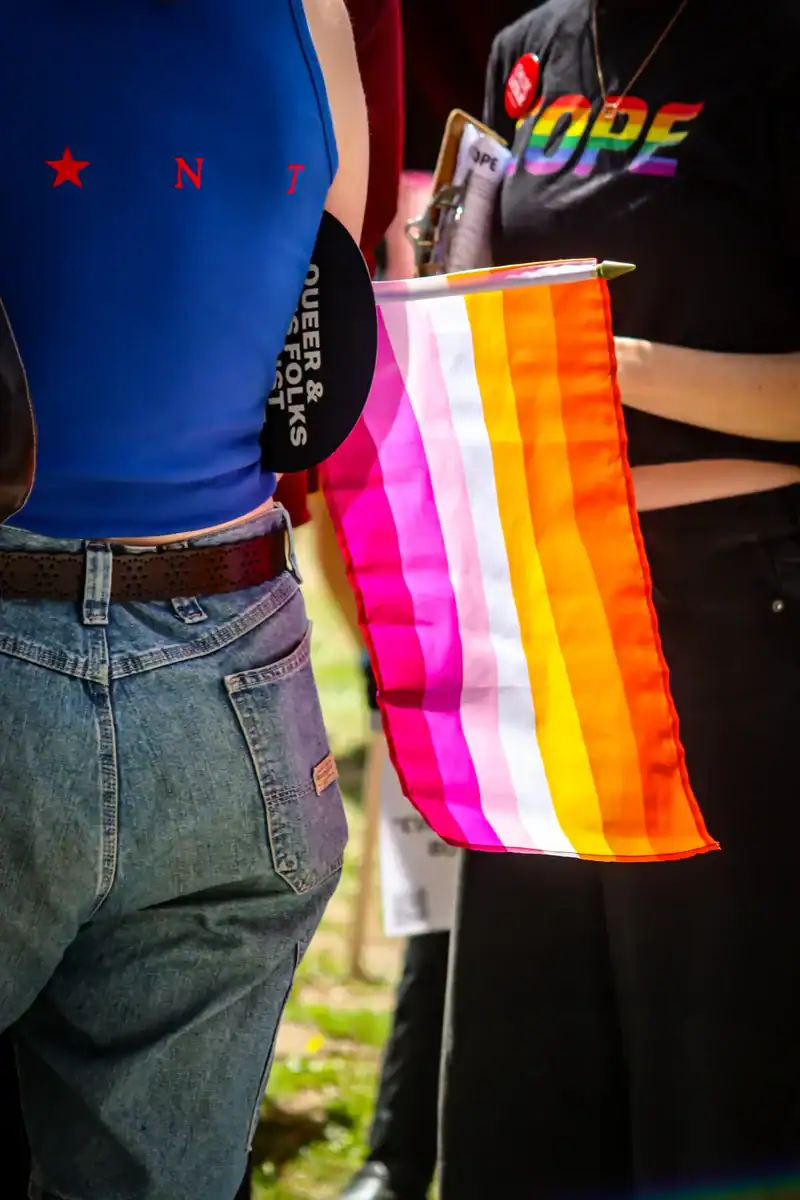
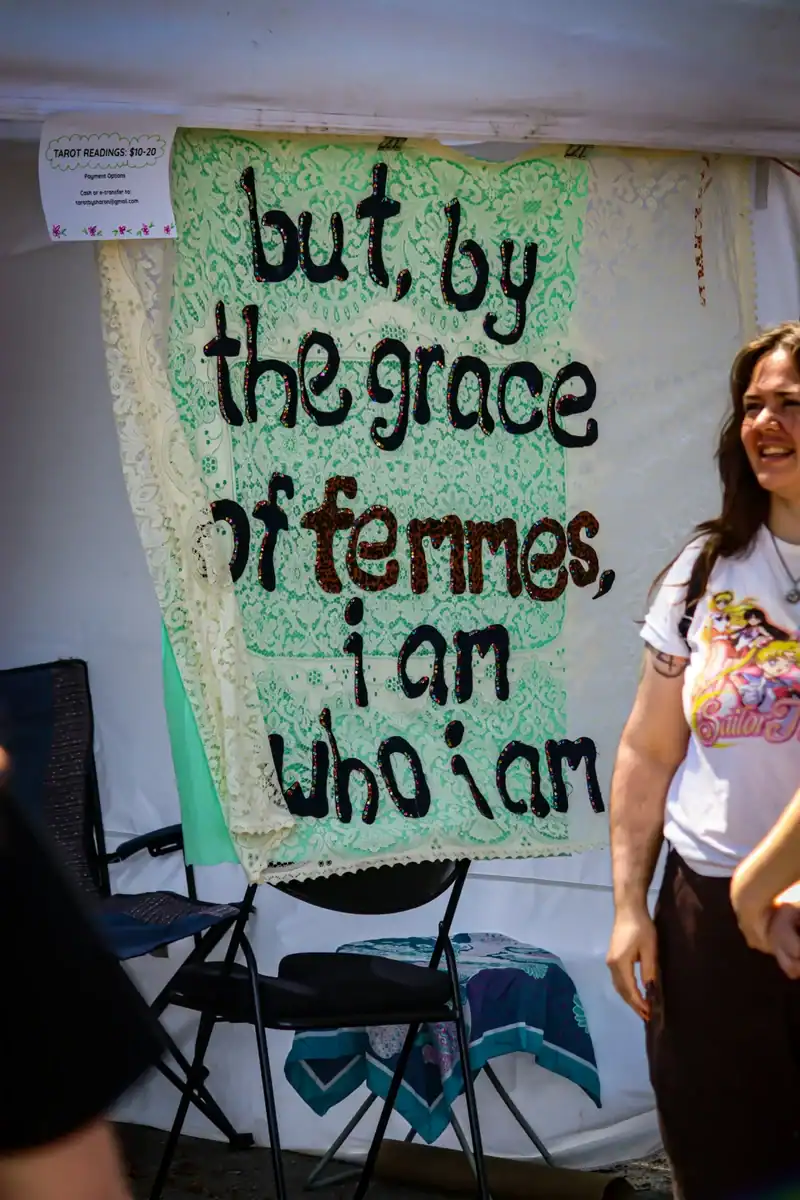
The Dyke March can’t replace them, nor should it have to, but for one afternoon every summer, it does the work of all of them at once. It becomes a meeting place, a cultural archive, a dating app, a support group, a family reunion, and a reminder that Sapphics, the people who have led the charge for much of the Queer rights movement, deserve visibility too.